Types of printmaking
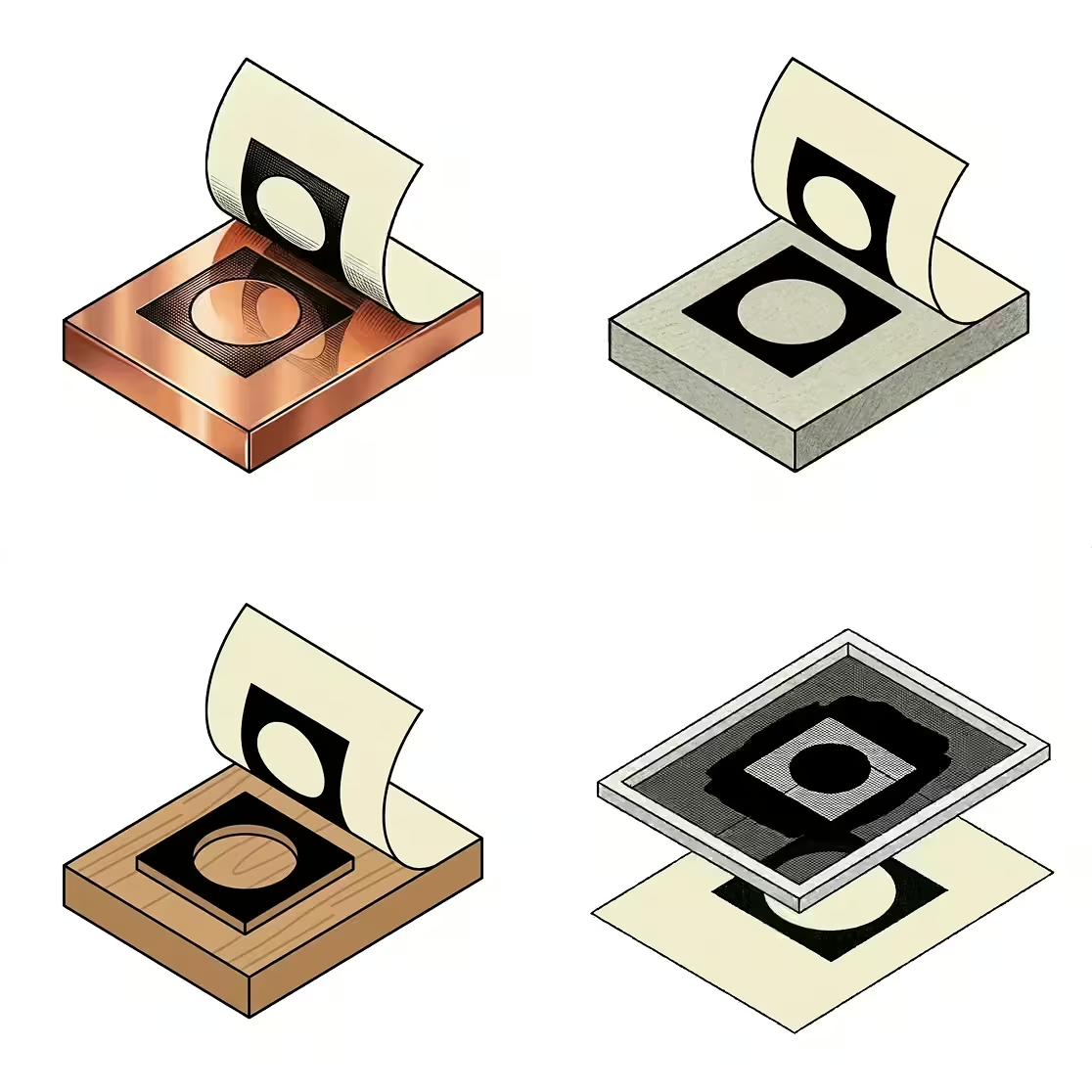
Table of contents
Printmaking is commonly organized into a small number of core types (also called categories of printmaking) based on how ink is transferred from a matrix to a printing surface. These types provide a clear framework for understanding the wide range of printmaking processes and techniques artists use.
Each printmaking type groups together related processes—such as woodcut, etching, or lithography—based on shared principles. Understanding these types makes it easier to compare methods, explore new processes, and see how different printmaking approaches relate to one another.
The main types of printmaking
Most printmaking processes can be grouped into one of the following main types. While each type is distinct, artists sometimes combine processes across types as part of a hybrid or experimental workflow.
Relief printmaking
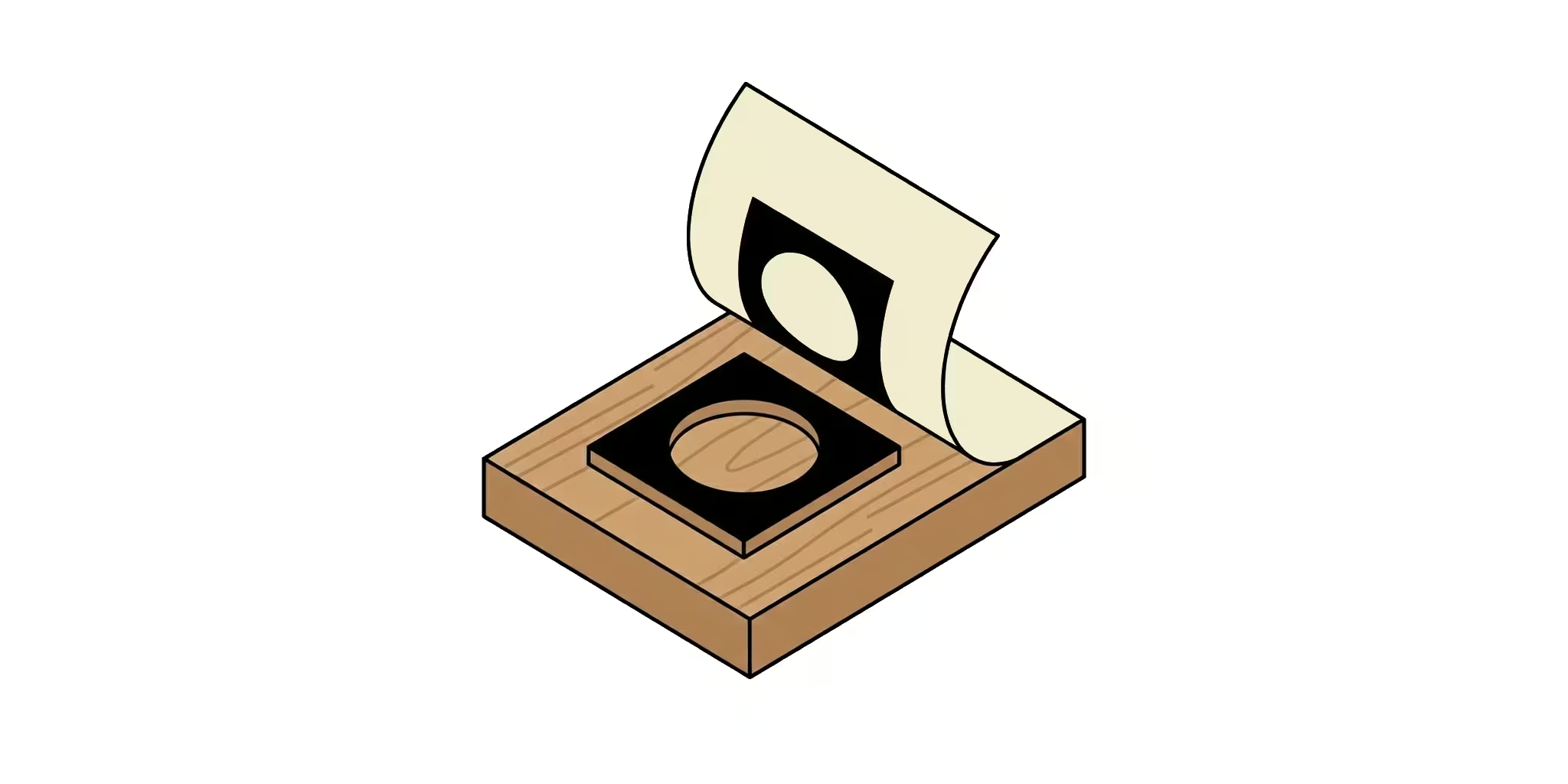
In relief printmaking, ink is transferred from the raised surface of the matrix, while carved or cut-away areas remain unprinted.
Relief printmaking is known for its bold marks, graphic clarity, and direct physical relationship between the artist and the matrix.
Common relief printmaking processes include:
- Woodcut
- Wood engraving
- Mokuhanga
- Linocut
- Letterpress
- Rubber stamp
- Potato printing
Intaglio printmaking
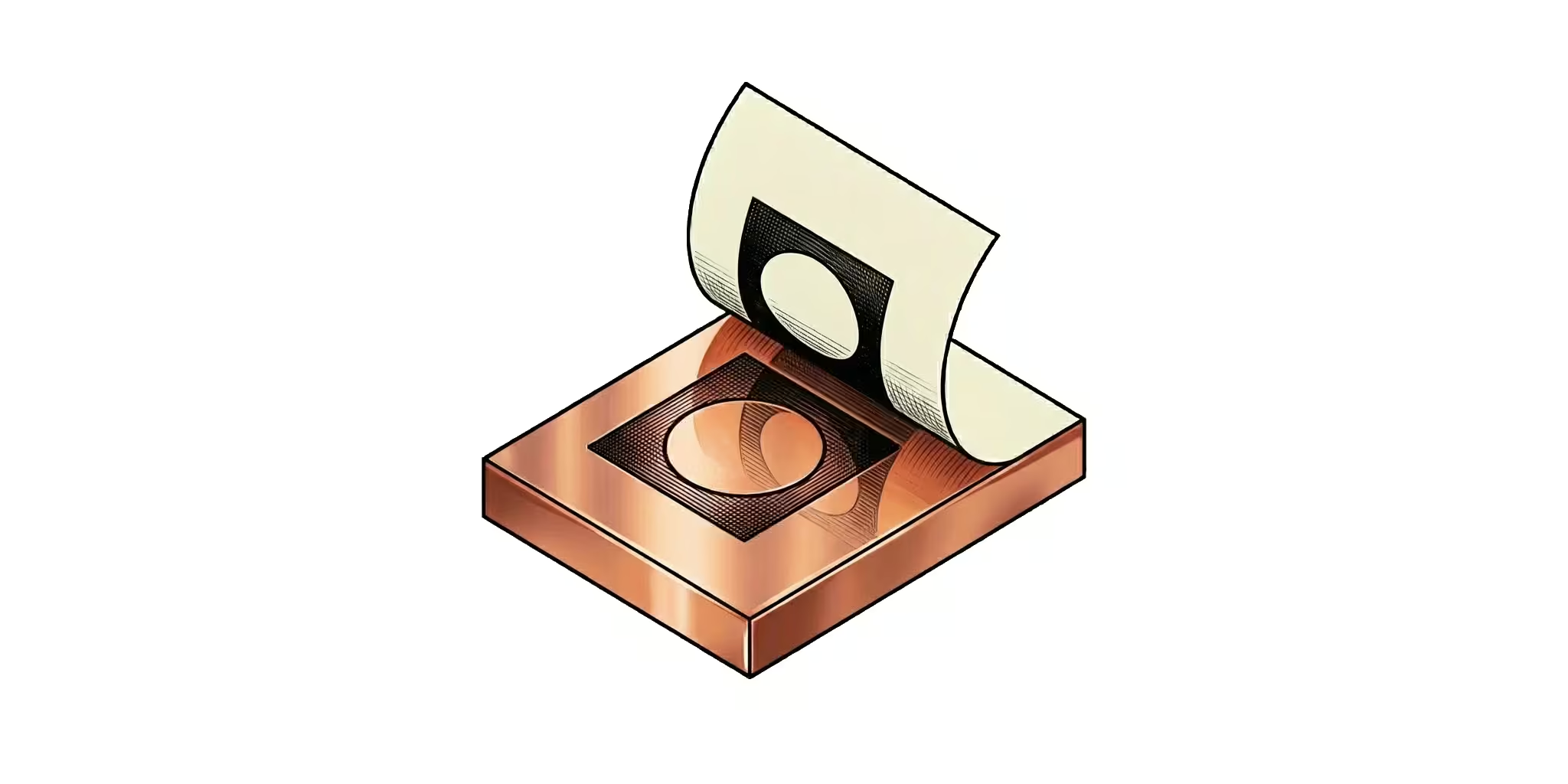
In intaglio printmaking, ink is transferred from recessed or incised lines below the surface of the matrix. Before printing, the surface of the plate is wiped clean, leaving ink only in the grooves.
Intaglio processes are valued for their fine line work, tonal range, and expressive mark-making.
Common intaglio printmaking processes include:
- Drypoint
- Engraving
- Etching
- Mezzotint
→ Explore intaglio printmaking
Planographic printmaking
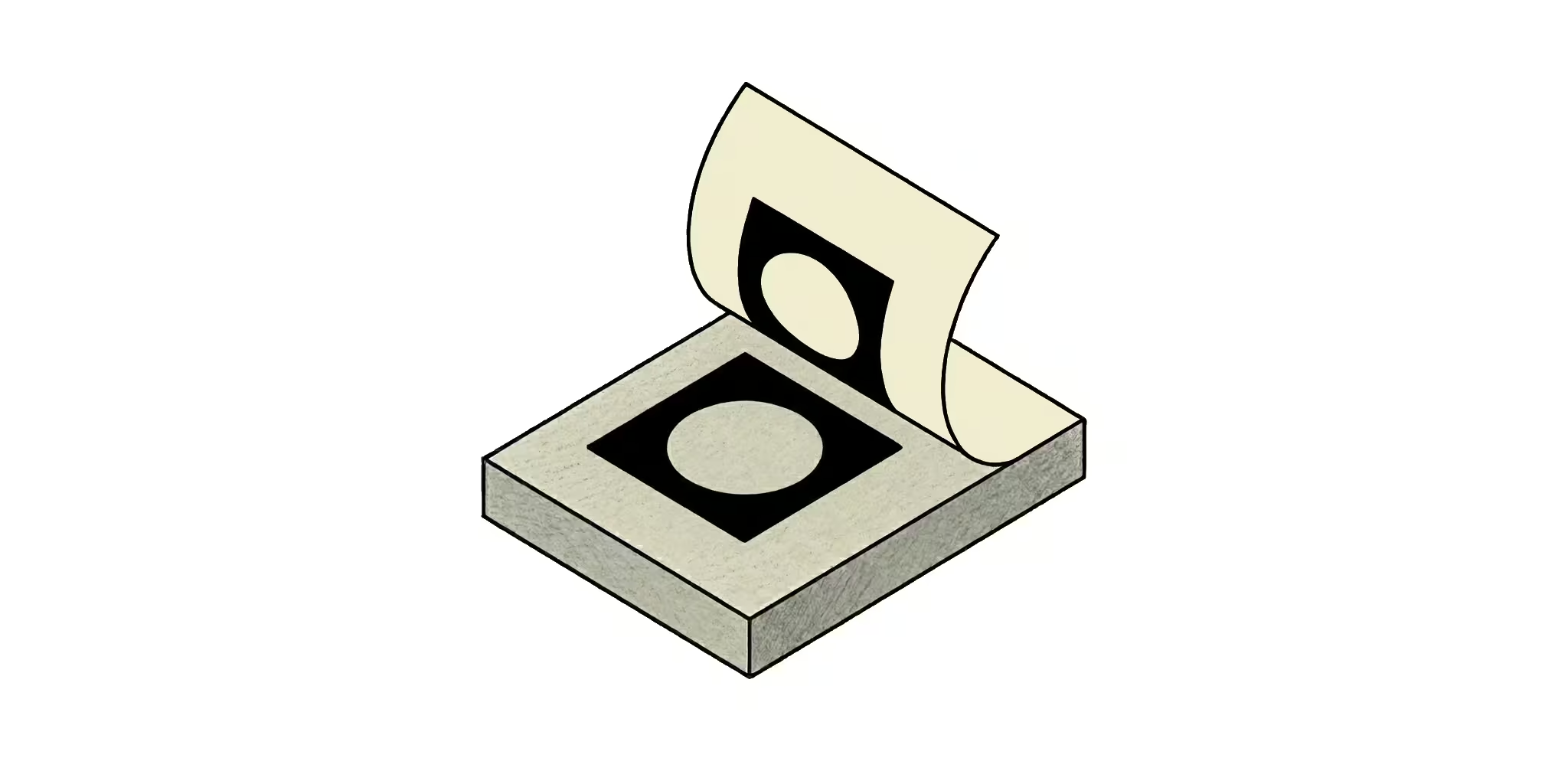
In planographic printmaking, ink is transferred from a flat surface, where image and non-image areas exist on the same plane and are separated through chemical interactions rather than carving.
Planographic methods allow for a wide range of marks, from painterly textures to highly detailed drawing.
Common planographic printmaking processes include:
- Lithography
- Monotype
→ Explore planographic printmaking
Stencil printmaking
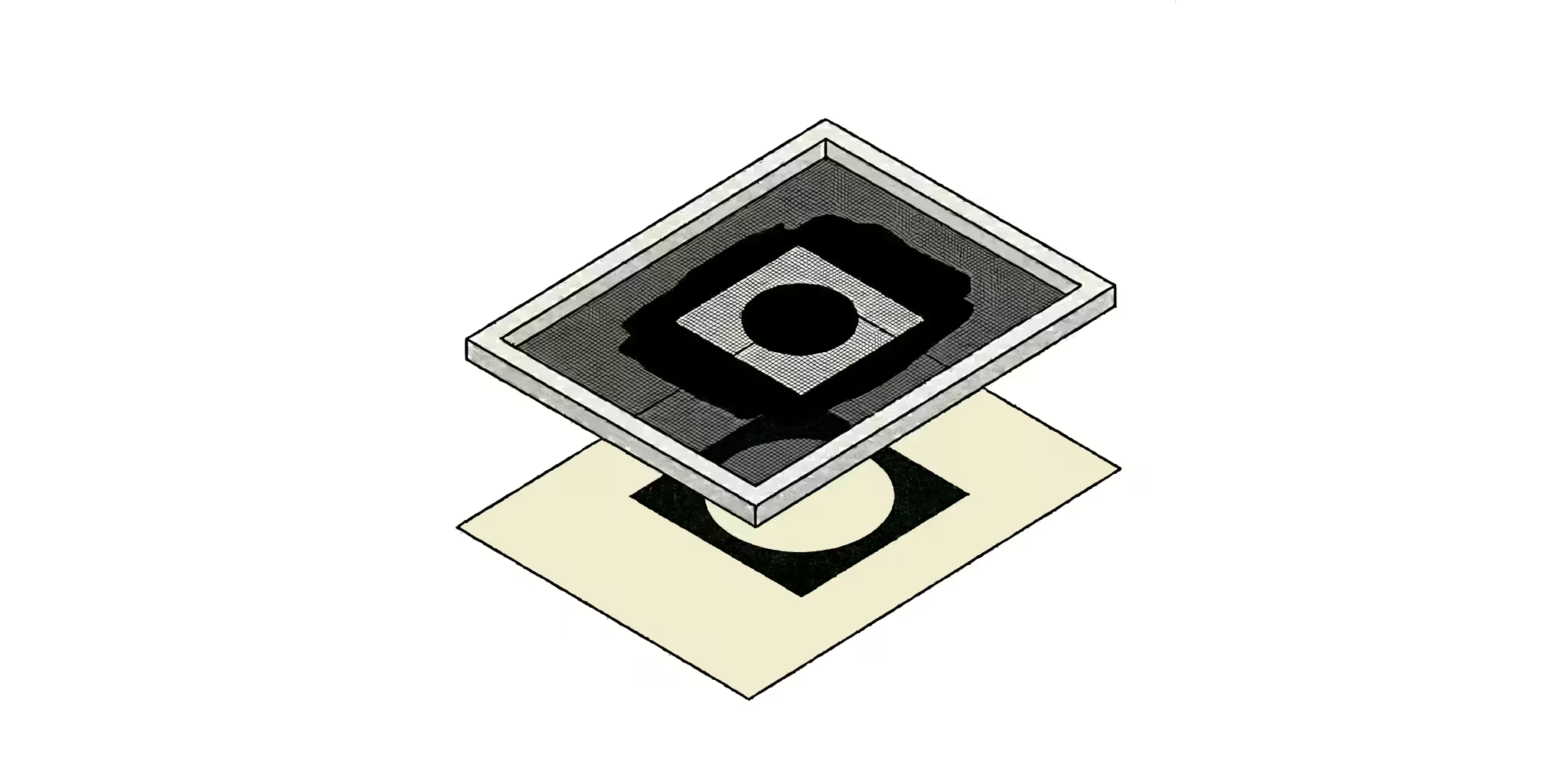
In stencil printmaking, ink is transferred through open areas of a stencil onto the printing surface below, while blocked areas remain unprinted.
Stencil-based printmaking supports layered color, repeatable imagery, bold shapes, and both artistic and applied uses.
Common stencil printmaking processes include:
- Screenprinting
- Risography
- Pochoir
Digital printmaking
In digital printmaking, images are printed directly from digital files onto a printing surface using archival printing methods. Digital processes may be used on their own or combined with other printmaking approaches, such as relief or intaglio, as part of a hybrid workflow.
When created as original prints, digital works are intentionally editioned and controlled by the artist.
Printmaking types and processes
In printmaking, the terms type and process describe different levels of organization. On this site, printmaking is structured using these two simple levels.
Printmaking types describe the overall approach to printing, based on how ink is transferred from a matrix to a printing surface.
Printmaking processes are the specific methods artists practice within each type. A process explains what kind of matrix is used and how the image is created and printed.
For example:
- Relief is a type of printmaking; linocut is a process.
- Intaglio is a type of printmaking; etching is a process
- Planographic is a type of printmaking; lithography is a process.
- Stencil is a type of printmaking; screen printing is a process.
This structure makes it easier to explore, compare, and navigate printmaking—especially when learning new methods or deciding where to go deeper next.
Common questions about printmaking types
Can a print belong to more than one type?
Yes. While printmaking types describe how ink is transferred, artists often combine processes across types. For example, a print might combine a planographic process like lithography with a stencil process like screenprinting. These hybrid approaches are common in contemporary and experimental printmaking.